
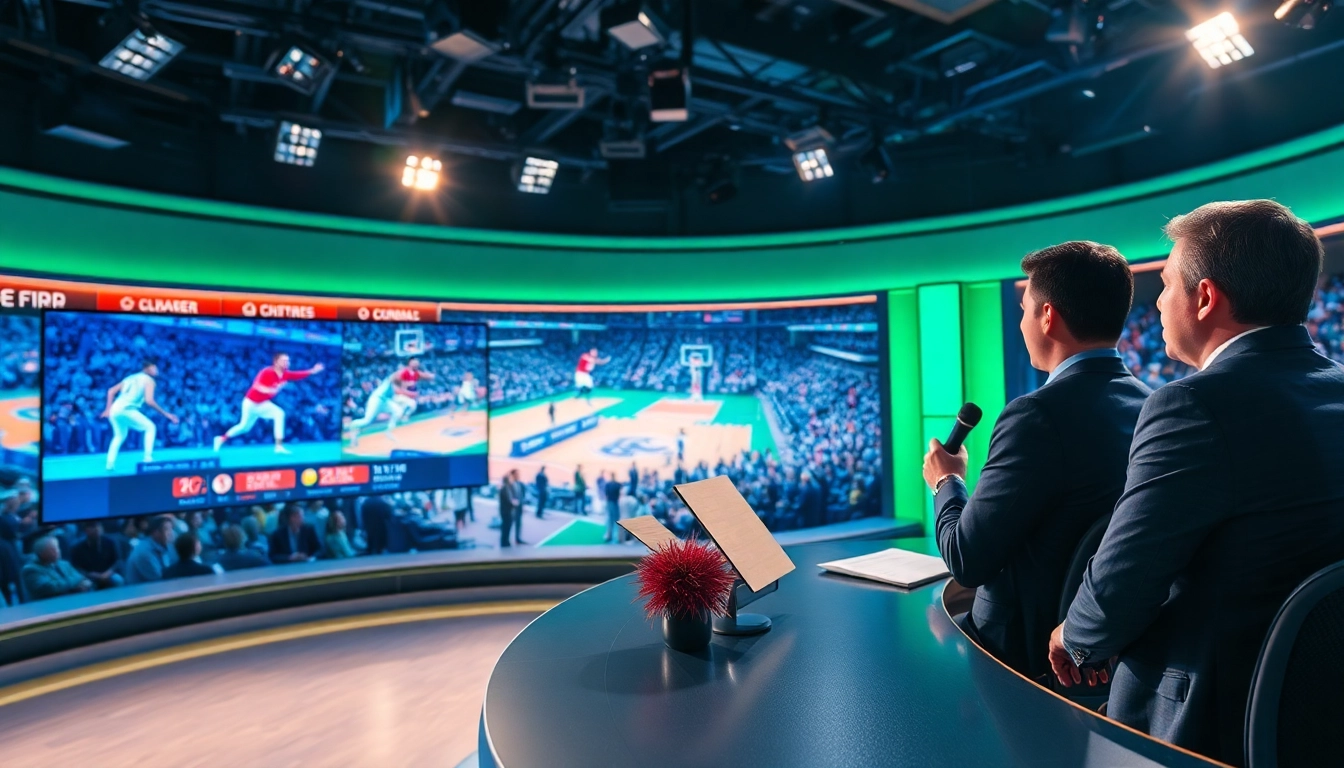
Introduction to Sports Broadcasting
Defining Sports Broadcasting
Sports broadcasting encompasses the dissemination of live sports events and related programming to an audience through various media channels, including television, radio, and online platforms. It serves as a bridge that connects fans to their favorite sports, teams, and athletes by providing them with timely information, insights, and entertainment. In today’s digital age, the scope of Sports Broadcasting has expanded significantly, allowing audiences to engage with content in more dynamic and interactive ways than ever before.
The Evolution of Sports Broadcasting
The journey of sports broadcasting has evolved from the first radio broadcasts of the 1920s to modern-day streaming services that provide an on-demand experience. Initially, radio offered play-by-play commentary, enabling fans to follow games without being present. The 1950s ushered in television broadcasts, drastically changing how fans experienced sports. As technology progressed, cable networks provided specialized sports channels, leading to an explosion of coverage and fan accessibility. Today, streaming platforms like YouTube and various sports apps allow fans to customize their viewing experiences, creating an all-encompassing shift toward personalization in sports consumption.
Key Players in Sports Broadcasting
Various stakeholders contribute to the sports broadcasting landscape, including networks, production companies, teams, and technology providers. Major television networks, sports leagues, and online platforms have developed symbiotic relationships, negotiating broadcasting rights to reach broader audiences. Notably, sports commentators and analysts play crucial roles in shaping audience perception and enhancing the narrative around sporting events. Their insights influence viewers’ experiences and engagement levels, making them invaluable assets in the sports broadcasting ecosystem.
Techniques for Effective Sports Broadcasting
Anchoring and Commentary Skills
Effective anchoring and commentary skills are fundamental to sports broadcasting. Anchors must articulate key moments in the game, provide context, and engage with viewers in an entertaining manner. This requires confidence, a firm understanding of the sport, and the ability to think on one’s feet. Good commentators enhance the broadcast by providing play-by-play narration intertwined with insightful analysis, personal stories, and statistics, enriching the audience’s viewing experience.
Using Visual Media and Graphics
Visual media and graphics significantly enhance sports broadcasts by providing viewers with engaging content that supplements commentary. Key statistics, player graphics, and instant replays not only visually captivate the audience but also present informative data that can influence viewer opinions about the game. Talented graphic designers and video editors work collaboratively to create engaging visuals that enhance storytelling and maintain audience interest throughout the event.
Engagement Strategies for Viewers
Audience engagement is essential for retaining viewers in a competitive sports broadcasting environment. Broadcasters utilize social media platforms to interact with fans during live events, encouraging comments and discussions that amplify viewer participation. Implementing interactive features, such as live polls, Q&A sessions, and chatrooms, creates a participatory culture around broadcasting, helping fans feel connected to the content and to one another.
Current Trends in Sports Broadcasting
Impact of Streaming Services
Streaming services have revolutionized the way audiences access sports content. With platforms like ESPN+, Hulu, and DAZN, viewers can watch live events on multiple devices, breaking free from traditional cable subscriptions. These services have enabled niche sports to gain visibility, catering to diverse audiences. This shift necessitates continuous innovation in delivery methods to meet the evolving expectations of tech-savvy consumers who prioritize convenience and flexibility.
Social Media and Sports Broadcasting
Social media has become an integral part of sports broadcasting, allowing leagues and broadcasters to reach audiences directly. Platforms like Twitter and Instagram serve as essential tools for sharing live clips and real-time updates, creating excitement and boosting engagement. Fans are encouraged to join conversations, share their reactions, and connect with athletes, making social media a powerful adjunct to traditional broadcasting, fostering a community around sports.
Interactive Broadcasting Technologies
Emerging technologies, such as augmented reality (AR) and virtual reality (VR), are beginning to reshape how fans experience sports broadcasting. AR can enhance broadcasts with graphics overlaying live environments, while VR provides immersive viewing experiences where fans feel as if they are part of the action. These interactive elements are geared towards younger audiences who expect engaging and personalized content, pushing the boundaries of traditional sports viewing.
Challenges Faced in Sports Broadcasting
Legal and Licensing Issues
Navigating legal and licensing issues is a significant challenge within sports broadcasting. Securing the rights to broadcast specific events often involves complex negotiations, impacting what content is available to audiences. Mismanagement of these rights can lead to legal disputes or limitations in programming. Broadcasters must stay compliant with regulations to avoid penalties and ensure that they can present the desired content while respecting copyright laws.
Technical Difficulties and Solutions
Technical difficulties can severely hamper live broadcasts, affecting viewer experience. Common issues include transmission failures, equipment malfunctions, and sound discrepancies. To mitigate these risks, broadcast teams implement extensive pre-event testing, utilize backup equipment, and employ skilled technicians to address problems promptly. Developing comprehensive contingency plans ensures that technical challenges do not disrupt the viewing experience.
Maintaining Audience Engagement
With countless entertainment options available, maintaining audience engagement in sports broadcasting poses a continual challenge. Broadcasters must innovate their content delivery to keep viewers interested, implementing targeted marketing strategies, and diversifying content offerings. This may involve integrating exclusive interviews, behind-the-scenes footage, fan-driven content, and on-demand highlights that appeal to both casual and die-hard fans alike.
Measuring Success in Sports Broadcasting
Audience Metrics and Analytics
Measuring success in sports broadcasting hinges on data analytics and audience metrics. Key performance indicators (KPIs) such as viewer ratings, engagement rates on social media, and website traffic help broadcasters understand their audience’s preferences and behaviors. Analyzing this data enables them to make informed decisions about content delivery, helping to tailor offerings and optimize viewer satisfaction continuously.
Evaluating Content Popularity
Understanding which segments of content resonate with audiences is crucial. This evaluation can encompass analyzing schedules, formats, and topics covered during broadcasts. By identifying trends in viewership and engagement, broadcasters can refine their content strategies, ensuring they cater to the specific tastes and needs of their audience, ultimately improving overall engagement and viewership.
Future Trends and Innovations in Sports Broadcasting
As technology evolves, sports broadcasting will continue to innovate and adapt. The integration of AI and machine learning may streamline production processes, enhance personalization, and generate compelling content recommendations for viewers. Additionally, as global sports demographics shift, broadcasters will increasingly cater to diverse audiences through language localization and culturally relevant programming, ensuring they remain relevant and engaging.
FAQs About Sports Broadcasting
What is sports broadcasting?
Sports broadcasting refers to the distribution of live sports events and related programming across media platforms like television, radio, and online services.
How has technology changed sports broadcasting?
Technology has enhanced sports broadcasting through streaming services, social media engagement, and interactive broadcasting technologies such as AR and VR.
What are the key skills for sports broadcasters?
Key skills include effective communication, play-by-play narration, audience engagement, and the ability to provide insightful commentary during live events.
What challenges do sports broadcasters face?
Challenges include legal issues with broadcasting rights, technical difficulties, and maintaining viewer engagement in a saturated market.
How is the success of sports broadcasting measured?
Success is measured through audience metrics, viewer ratings, social media engagement, and analyzing content popularity to enhance future broadcasts.
